A comparison of disputed claims, healthcare positions and the reported effort to arrange a Vance meeting.
Analysis · Claims and evidence · November 21, 2026 · Morning edition, New York time
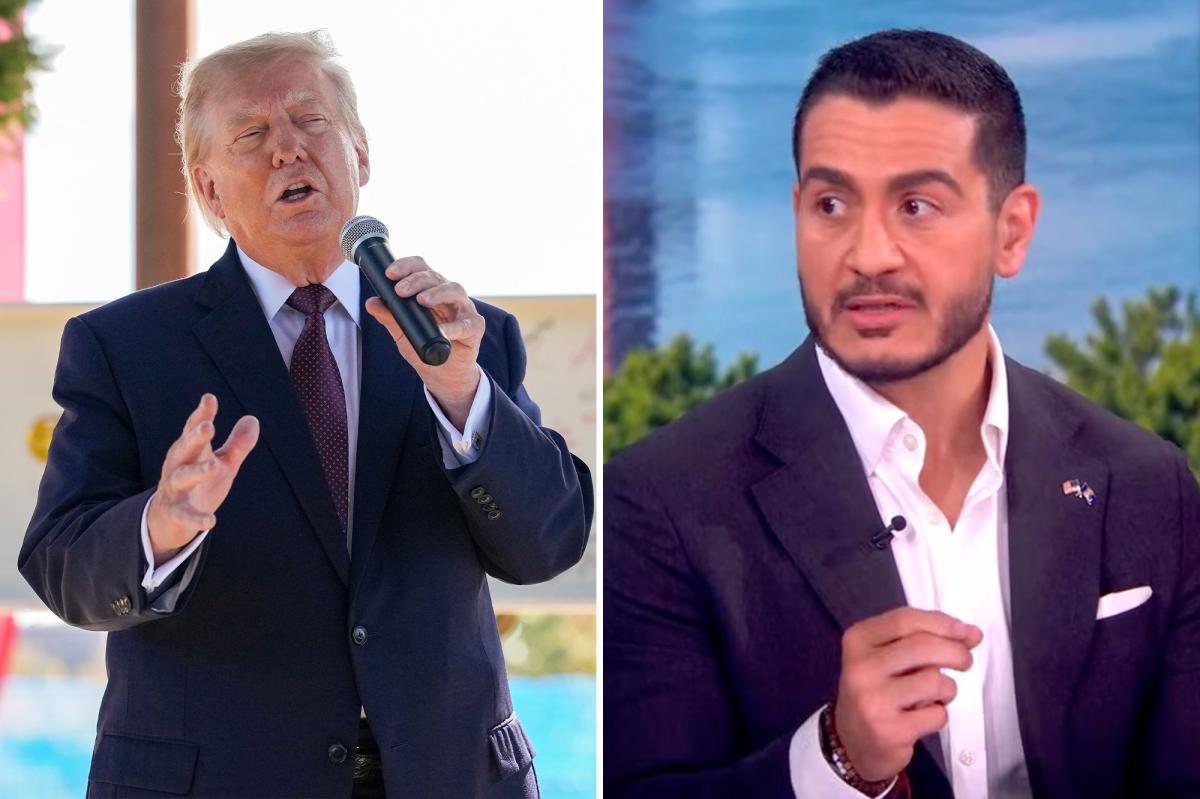
The confrontation between President Donald Trump and Michigan senator-elect Abdul El-Sayed has mixed personal attacks, arguments about identity and disputes over healthcare and economic policy. The latest development complicates a simple story of permanent hostility: El-Sayed and Vice President JD Vance have publicly signaled willingness to explore cooperation. That does not erase the campaign, and it does not establish a policy agreement.
The New York Post reported November 5 that El-Sayed renewed a lie-detector challenge to Trump on The View after the president’s campaign remarks about security screening. It was political theater, not a factual adjudication. Neither a screening demand nor a televised dare provides evidence for a criminal or national-security allegation.
Claims and evidence, side by side
| Claim or position | What the record supports | What it does not establish |
|---|
| Trump portrayed El-Sayed as a violent extremist and Muslim Brotherhood member. | PolitiFact’s October 27 review found no basis for those labels, noting his disavowal and lack of advocacy for religious violence. | Faith, ancestry or family history is not proof of an individual’s organizational membership or conduct. |
| El-Sayed said Trump’s tariffs cost each Michigan household $5,619. | PolitiFact’s September 17 review found that the figure allocated importers’ estimated costs across households; it was not a measure of each family’s actual payments. | A statewide import total cannot simply be treated as an identical bill paid by every household. |
| El-Sayed says he is willing to work with Trump on healthcare. | In his November 8 ABC interview, he offered cooperation on his priorities, including Medicare for All. | A conditional offer is not evidence that Trump endorsed the proposal or that Congress passed it. |
| Vance and El-Sayed are moving toward a meeting. | AP reported November 19 that both sides described efforts to arrange one, while disagreeing about who initiated contact. | The report does not establish that a meeting occurred or yielded a negotiated agreement. |
Scrutiny must follow the individual evidence
The two fact-checks concern different claims. PolitiFact rated Trump’s extremist-membership allegation Pants on Fire and El-Sayed’s tariff-cost statement Mostly False. These findings should not be flattened into a claim that the statements are equivalent. One concerns an unsupported allegation about a person; the other concerns the misuse of an economic calculation. Both require correction on their own terms.
A candidate’s statements, associations and policy record are legitimate subjects of scrutiny. The relevant question is what the evidence shows about that candidate. A relative’s alleged political history does not establish the candidate’s membership. Equally, criticizing tariffs does not justify presenting an allocation of business costs as a measured loss for every family.
From campaign conflict to legislative responsibility
AP described Vance and El-Sayed as open to working together, while identifying healthcare as a significant divide. The senator-elect’s goals remain proposals. The administration’s willingness to speak with an opponent is an opening, not proof of conversion. An agreement would need identifiable terms, a mechanism for implementation and, where required, congressional votes.
NY Report’s assessment: readers should judge the next phase by actions that can be checked—bills introduced, votes cast, funding decisions and public commitments—while holding both sides to the same evidentiary standard. A sharp argument may attract attention. It cannot substitute for an accurate account of what happened and what either side is able to deliver.