Legionella prevention depends on testing, maintenance, and documented corrective action. Residents deserve clear answers.
 Terry Miller
NY Report Healthcare · November 1, 2026 · Public health explainer and accountability analysis. No violation or source of illness is alleged against a building pictured on this site.
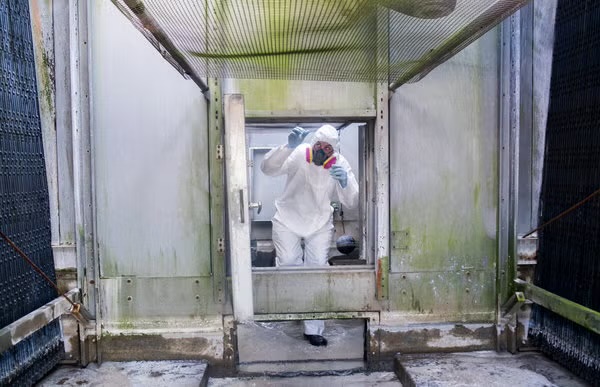
Much of a building’s health protection happens out of view. Cooling towers can sit above the street, while the work that keeps their water systems safe is recorded in maintenance plans, laboratory results, and treatment logs. Residents need more than a general assurance that equipment has been serviced: they need a credible process for identifying and correcting risks.
The hazard is bacteria, not a virus
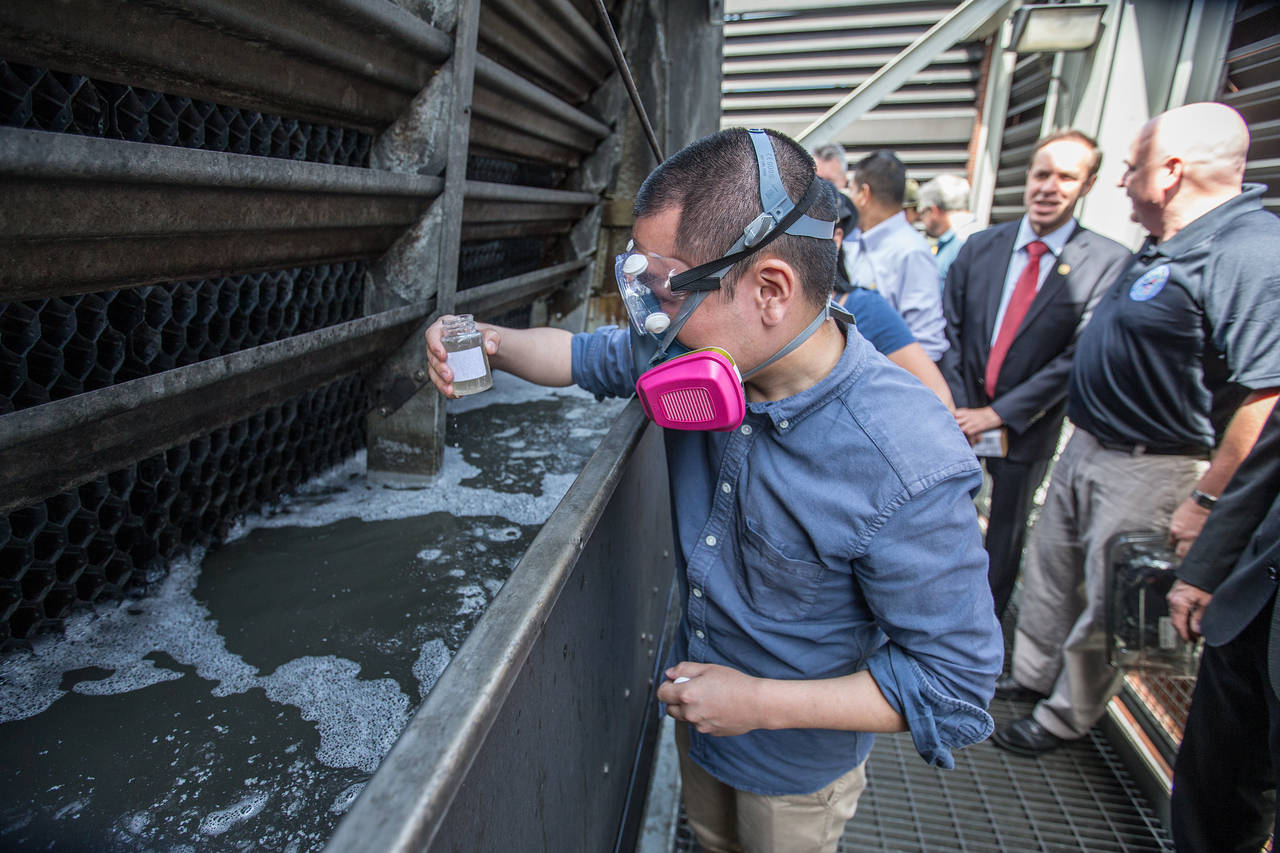
Legionella bacteria can grow in inadequately maintained cooling-tower water. Mist can carry the bacteria into the environment, where inhalation can cause Legionnaires’ disease, a form of pneumonia. A cooling tower is different from a window air conditioner; the city explains that systems without recirculating water and mist are not the same risk. See NYC Health’s cooling-tower guidance.
Compliance is ongoing work
NYC Health says monthly Legionella sampling, with no more than 31 days between samples, began May 8, 2026. Its current guidance requires qualified-person reporting of sample dates. Owners must register and maintain systems and retain maintenance records. A past inspection alone cannot describe everything that happened afterward.
The city’s owner and operator guidance describes a system-specific maintenance plan, water treatment, monitoring, cleaning, and corrective actions. The useful questions are precise: When was the latest sample collected? Was a certified laboratory used? What action followed an elevated result? Who checked that the action was completed? Technical treatment must be handled by qualified professionals, not attempted by residents.
What a test can—and cannot—establish
A test result should be interpreted in context. NYC Health’s South Bronx investigation notice explains that a DNA-based test can detect Legionella material without establishing whether bacteria are alive or proving that a particular tower caused illness. Read the official investigation notice. NY Report will not turn a positive result, a photograph, or a resident’s suspicion into a claim of causation.
A resident’s route to better answers
Ask management for a dated explanation of its maintenance and compliance process, and check the city’s inspection results by address or building identification number. Keep correspondence and distinguish the date of an inspection from the date of a complaint or laboratory sample.
NY Report’s role is to examine records, put documented concerns to owners and agencies, and report what is known and unresolved. Our editorial position is straightforward: preventive maintenance should be visible in evidence, and public explanations should be understandable. Readers deserve careful follow-up, fair treatment, and corrections when facts change—not a promise of safety that no newsroom can certify.
 Terry Miller